(HealthDay News) -- A new study confirms that long-term exposure to secondhand smoke can cause respiratory symptoms, such as shortness of breath, in otherwise healthy adults.
The Swiss study tracked nearly 1,700 nonsmokers for 11 years. Researchers found a strong association between secondhand smoke and the development of cough.
It also found that, in patients with bronchial hyper-reactivity, there was a link between secondhand smoke and respiratory symptoms such as wheezing, chronic bronchitis, cough, and dyspnea (shortness of breath).
The researchers said that people with bronchial hyper-reactivity who are constantly exposed to secondhand smoke are particularly at risk for early-onset chronic respiratory disease.
"Symptom development in our subjects was accompanied by decrements in spirometric [lung-function] indices reflecting peripheral airway narrowing," wrote Margaret W. Gerbase, division of pulmonary medicine, University Hospitals of Geneva.
"Indirect evidence derived from smokers shows that airway responsiveness increased the risk to develop cough, phlegm, dyspnea and chronic bronchitis," she added.
On the other hand, "cessation of smoking leads to remission of symptoms and improvement in airway hyperactivity," she said.
The study is in the November issue of the American Journal of Respiratory and Critical Care Medicine.
More information
The American Lung Association has more about secondhand smoke.
Saturday, November 18, 2006


Smoking, High HPV Levels Could Spell Cervical Cancer
(HealthDay News) -- New research suggests that heavy smoking and high levels of a potentially deadly virus could combine forces and boost a woman's risk of developing precancerous lesions in the cervix.
Smoking and the human papillomavirus (HPV) have been linked to cervical cancer before. But the new study is the first to look at a possible interplay between heavy smoking and virus levels, said study author Anthony Gunnell, a researcher at the Karolinska Institutet in Stockholm, Sweden.
"The risk for developing pre-malignant cervical cancer increases as HPV load increases," Gunnell said. "Importantly though, it increases more with increasing HPV (levels) if you smoke than if you don't."
The American Cancer Society estimates that about 9,710 cases of cervical cancer will be diagnosed in the United States this year, and 3,700 will die.
However, the number of deaths dropped by 74 percent between 1955 and 1992, mostly because of the growing popularity of Pap tests that detect possible signs of cancer. Now, there is a vaccine available to prevent HPV infection and most cases of cervical cancer.
Scientists think a huge number of cervical cancer cases are caused by HPV, which may be the most common sexually transmitted disease. HPV seems to boost the risk of cancer by causing inflammation.
But how does it raise the risk, and why do some women get infected by HPV but never get cervical cancer?
In the new study, Gunnell and colleagues looked at the medical records of 738 women, including 375 with signs of precancerous cervical lesions and 363 healthy women. The researchers found the subjects by looking through a database of 146,104 women who underwent cervical screening in a region of Sweden between 1969 and 1995.
The findings are published in the November issue of Cancer Epidemiology, Biomarkers & Prevention.
The study authors wrote that there appears to be a "synergistic" relationship between heavy smoking and high levels of a specific strain of HPV.
Current smokers who had signs of HPV infection at the time of their first Pap smear were more than 14 times more likely to show signs of precancerous lesions than current smokers who weren't infected.
And heavy smokers who had high levels of HPV when first tested were 27 times more likely to have precancerous lesions. Among nonsmokers, however, high HPV levels only raised their risk by six times.
There's an important caveat: Since few American women develop cervical cancer now, a woman's chances of developing the disease still remain small.
It's not clear why smoking raises the risk of cervical cancer, but Gunnell said it may have something to do with how cigarette smoke affect the immune system. Both smoking and HPV affect molecules known as cytokines, which control tumor growth, he said.
What to do? Prevention is the first step, Gunnell said. "Women with HPV -- especially those with high HPV (levels) -- and who smoke are in a higher risk group. They should take particular care in being checked regularly. Obviously, it is to their benefit to also stop smoking."
Meanwhile, research will help scientists get a better handle on what causes cervical cancer, Gunnell said. "There are probably no immediate applications of this research regarding treatment per se. Of course, in science, every little bit counts, and you never know when a small bit of information can make a big difference to someone else's research."
More information
The American Cancer Society has more on risk factors for cervical cancer.
Smoking and the human papillomavirus (HPV) have been linked to cervical cancer before. But the new study is the first to look at a possible interplay between heavy smoking and virus levels, said study author Anthony Gunnell, a researcher at the Karolinska Institutet in Stockholm, Sweden.
"The risk for developing pre-malignant cervical cancer increases as HPV load increases," Gunnell said. "Importantly though, it increases more with increasing HPV (levels) if you smoke than if you don't."
The American Cancer Society estimates that about 9,710 cases of cervical cancer will be diagnosed in the United States this year, and 3,700 will die.
However, the number of deaths dropped by 74 percent between 1955 and 1992, mostly because of the growing popularity of Pap tests that detect possible signs of cancer. Now, there is a vaccine available to prevent HPV infection and most cases of cervical cancer.
Scientists think a huge number of cervical cancer cases are caused by HPV, which may be the most common sexually transmitted disease. HPV seems to boost the risk of cancer by causing inflammation.
But how does it raise the risk, and why do some women get infected by HPV but never get cervical cancer?
In the new study, Gunnell and colleagues looked at the medical records of 738 women, including 375 with signs of precancerous cervical lesions and 363 healthy women. The researchers found the subjects by looking through a database of 146,104 women who underwent cervical screening in a region of Sweden between 1969 and 1995.
The findings are published in the November issue of Cancer Epidemiology, Biomarkers & Prevention.
The study authors wrote that there appears to be a "synergistic" relationship between heavy smoking and high levels of a specific strain of HPV.
Current smokers who had signs of HPV infection at the time of their first Pap smear were more than 14 times more likely to show signs of precancerous lesions than current smokers who weren't infected.
And heavy smokers who had high levels of HPV when first tested were 27 times more likely to have precancerous lesions. Among nonsmokers, however, high HPV levels only raised their risk by six times.
There's an important caveat: Since few American women develop cervical cancer now, a woman's chances of developing the disease still remain small.
It's not clear why smoking raises the risk of cervical cancer, but Gunnell said it may have something to do with how cigarette smoke affect the immune system. Both smoking and HPV affect molecules known as cytokines, which control tumor growth, he said.
What to do? Prevention is the first step, Gunnell said. "Women with HPV -- especially those with high HPV (levels) -- and who smoke are in a higher risk group. They should take particular care in being checked regularly. Obviously, it is to their benefit to also stop smoking."
Meanwhile, research will help scientists get a better handle on what causes cervical cancer, Gunnell said. "There are probably no immediate applications of this research regarding treatment per se. Of course, in science, every little bit counts, and you never know when a small bit of information can make a big difference to someone else's research."
More information
The American Cancer Society has more on risk factors for cervical cancer.
Eye Tests Predict Later Vision Trouble for Preemies
(HealthDay News) -- Having youngsters undergo eye tests at two-and-a-half years of age can help predict vision problems when they're 10 years old, Swedish researchers report.
Previous studies have found that refractive errors (problems with the degree of light that reaches the back of the eye) are more common in children born preterm (before 35 weeks of gestation) than in full-term children.
In this new study, researchers at Uppsala University Hospital checked for refractive errors in 198 preterm children at 6 months, 2.5 years, and 10 years of age. The researchers assessed the development of astigmatism (an unequal curve in one of the eye's refractive surfaces) and for anisometropia (a difference in refractive power between the two eyes that can lead to partial vision loss).
Reporting in the November issue of Archives of Ophthalmology, they found that 108 children had astigmatism at 6 months, 54 at 2.5 years, and 41 at 10 years. They also found that 15 children had anisometropia at 6 months, 17 at 2.5 years, and 16 at age 10.
"The presence of astigmatism and anisometropia at 2.5 years of age were the strongest risk factors for having astigmatism and anisometropia at 10 years of age," the study authors wrote.
"In this population-based study, we found that a refractive error at 2.5 years of age predicts that refractive error will also be present at 10 years of age," the team concluded.
"Recommendations for follow-up examinations must include all aspects of visual function, i.e., visual acuity, contrast sensitivity and visual fields, as well as the refraction, strabismus and perceptual problems. All preterm children should be included in such follow-up examination for refractive error, irrespective of the retinopathy of prematurity stage," the researchers wrote.
Retinopathy of prematurity (ROP) is a condition where there is abnormal development of blood vessels in the retina. The smaller the baby is at birth, the greater the risk of ROP.
More information
The Nemours Foundation has more about premature babies.
Previous studies have found that refractive errors (problems with the degree of light that reaches the back of the eye) are more common in children born preterm (before 35 weeks of gestation) than in full-term children.
In this new study, researchers at Uppsala University Hospital checked for refractive errors in 198 preterm children at 6 months, 2.5 years, and 10 years of age. The researchers assessed the development of astigmatism (an unequal curve in one of the eye's refractive surfaces) and for anisometropia (a difference in refractive power between the two eyes that can lead to partial vision loss).
Reporting in the November issue of Archives of Ophthalmology, they found that 108 children had astigmatism at 6 months, 54 at 2.5 years, and 41 at 10 years. They also found that 15 children had anisometropia at 6 months, 17 at 2.5 years, and 16 at age 10.
"The presence of astigmatism and anisometropia at 2.5 years of age were the strongest risk factors for having astigmatism and anisometropia at 10 years of age," the study authors wrote.
"In this population-based study, we found that a refractive error at 2.5 years of age predicts that refractive error will also be present at 10 years of age," the team concluded.
"Recommendations for follow-up examinations must include all aspects of visual function, i.e., visual acuity, contrast sensitivity and visual fields, as well as the refraction, strabismus and perceptual problems. All preterm children should be included in such follow-up examination for refractive error, irrespective of the retinopathy of prematurity stage," the researchers wrote.
Retinopathy of prematurity (ROP) is a condition where there is abnormal development of blood vessels in the retina. The smaller the baby is at birth, the greater the risk of ROP.
More information
The Nemours Foundation has more about premature babies.
New Drug Boosts Breast Cancer Survival
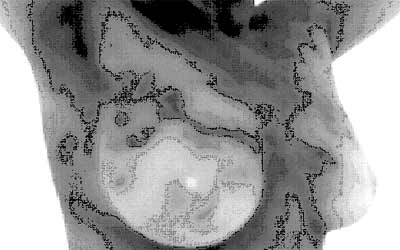 (HealthDay News) -- Certain breast cancer patients who switch to the aromatase inhibitor drug anastrozole (Arimidex) after two to three years of treatment with tamoxifen live longer and are more likely to remain cancer-free, German researchers report.
"A lot of people have been waiting to see whether aromatase inhibitors will show a survival advantage, and I think these data will assure them that 5 years of tamoxifen is no longer the standard of care; the best treatment for women with hormone-sensitive early-stage breast cancer should include an aromatase inhibitor," lead author and professor Walter Jonat, University of Kiel, said in a prepared statement.
His team published the findings online Friday in The Lancet medical journal.
Jonat and his colleagues analyzed data from three studies that compared outcomes for postmenopausal women with hormone-sensitive early-stage breast cancer who either received tamoxifen for five years or changed to anastrozole after 2 to 3 years of tamoxifen treatment.
"We showed the benefits of switching to anastrozole in terms of disease and recurrence-free survival that have been seen in the individual trials translate into a significant benefit in overall survival," Jonat said.
More research is needed in order to answer a number of questions, he said, including optimal length of treatment; whether tamoxifen or aromatase inhibitors should be given first; and whether any combination of other drugs may provide even better patient outcomes.
More information
The U.S. National Cancer Institute has more about breast cancer treatments.
Sunday, November 12, 2006
Higher IQs Protect Kids From Traumatic Events
(HealthDay News) -- Intelligence could help shield children from traumatic events, U.S. researchers report.
A new study found that children who are more intelligent than their peers at age 6 were less likely to experience traumatic events by age 17 and, if they did, were less likely to develop post-traumatic stress disorder (PTSD).
Michigan State University researchers studied 336 boys and 377 girls born between 1983 and 1985 at two Michigan hospitals. One hospital was located in a middle-class suburban community, while the other was in a disadvantaged urban community.
The children were given intelligence tests when they were 6 years old. Their parents and teachers provided information about the children's behavior at school and about any symptoms of anxiety disorders, such as phobias, separation anxiety and generalized anxiety disorder.
At age 17, the youngsters were interviewed again as to the number and type of traumatic events they'd experienced in their lives. They were also asked how seriously those events affected them, including whether they'd ever suffered symptoms of PTSD.
The researchers found that 541 (75.9 percent) of the youngsters had experienced a traumatic event and 45 (6.3 percent overall and 8.3 percent of those who experienced trauma) met criteria for PTSD.
Youngsters who had an IQ greater than 115 at age 6 were less likely to have experienced any kind of trauma (especially violent assaults) and, if they did, were less likely to develop PTSD by age 17.
Participants who had more conduct problems at school at age 6 were more likely to have been exposed to violent crime, such as mugging, beating or rape, by age 17, the study found.
These children, and those who had anxiety disorders at age 6, were about twice as likely to develop PTSD by age 17 if they were exposed to trauma, compared to children who had no anxiety disorders or conduct problems at age 6.
The researchers also found that boys were more likely to be exposed to trauma, while girls were more likely to develop PTSD after exposure to trauma.
"The ways in which high IQ might protect from the PTSD effects of traumatic exposure are unclear," the study authors wrote. "The findings underscore the importance of investigating cognitive processes in a person's responses to challenging and potentially traumatic experiences and the involvement of general intelligence in shaping them."
The study was published in the November issue of the journal Archives of General Psychiatry.
More information
The U.S. National Institute of Mental Health offers advice on how to help children cope with violence and disasters.
A new study found that children who are more intelligent than their peers at age 6 were less likely to experience traumatic events by age 17 and, if they did, were less likely to develop post-traumatic stress disorder (PTSD).
Michigan State University researchers studied 336 boys and 377 girls born between 1983 and 1985 at two Michigan hospitals. One hospital was located in a middle-class suburban community, while the other was in a disadvantaged urban community.
The children were given intelligence tests when they were 6 years old. Their parents and teachers provided information about the children's behavior at school and about any symptoms of anxiety disorders, such as phobias, separation anxiety and generalized anxiety disorder.
At age 17, the youngsters were interviewed again as to the number and type of traumatic events they'd experienced in their lives. They were also asked how seriously those events affected them, including whether they'd ever suffered symptoms of PTSD.
The researchers found that 541 (75.9 percent) of the youngsters had experienced a traumatic event and 45 (6.3 percent overall and 8.3 percent of those who experienced trauma) met criteria for PTSD.
Youngsters who had an IQ greater than 115 at age 6 were less likely to have experienced any kind of trauma (especially violent assaults) and, if they did, were less likely to develop PTSD by age 17.
Participants who had more conduct problems at school at age 6 were more likely to have been exposed to violent crime, such as mugging, beating or rape, by age 17, the study found.
These children, and those who had anxiety disorders at age 6, were about twice as likely to develop PTSD by age 17 if they were exposed to trauma, compared to children who had no anxiety disorders or conduct problems at age 6.
The researchers also found that boys were more likely to be exposed to trauma, while girls were more likely to develop PTSD after exposure to trauma.
"The ways in which high IQ might protect from the PTSD effects of traumatic exposure are unclear," the study authors wrote. "The findings underscore the importance of investigating cognitive processes in a person's responses to challenging and potentially traumatic experiences and the involvement of general intelligence in shaping them."
The study was published in the November issue of the journal Archives of General Psychiatry.
More information
The U.S. National Institute of Mental Health offers advice on how to help children cope with violence and disasters.
Study Promises Better Drug Delivery to Fight ALS
(HealthDay News) -- Drugs to treat amyotrophic lateral sclerosis (ALS) can be delivered to the brain and spinal cord through cerebrospinal fluid, U.S. researchers report.
Working with rats, researchers delivered therapeutic molecules called antisense oligonucleotides to the brain and spinal cord through cerebrospinal fluid. They were able to do so at doses that slowed the progression of ALS, also known as Lou Gehrig's disease.
This method may provide an alternative to trying to deliver drugs via blood across the highly impermeable blood-brain barrier, which prevents substances in the blood from entering brain tissue, explained researchers at the University of California, San Diego.
The study was published online Thursday in the Journal of Clinical Investigation and was expected to be in the August print issue.
People with neurodegenerative diseases such as ALS, Alzheimer's disease, Parkinson's disease, and Huntington's disease have a buildup of toxic proteins in the brain and central nervous system.
A number of different approaches for removing these excess proteins have been tried, but few have been successful, due to the blood-brain barrier, the researchers said.
Injecting drugs into cerebrospinal fluid, which circulates from the brain to all areas of the central nervous system, may be an effective way of treating the buildup of toxic proteins associated with neurodegenerative diseases, they said.
More information
The Muscular Dystrophy Association has more about ALS.
Working with rats, researchers delivered therapeutic molecules called antisense oligonucleotides to the brain and spinal cord through cerebrospinal fluid. They were able to do so at doses that slowed the progression of ALS, also known as Lou Gehrig's disease.
This method may provide an alternative to trying to deliver drugs via blood across the highly impermeable blood-brain barrier, which prevents substances in the blood from entering brain tissue, explained researchers at the University of California, San Diego.
The study was published online Thursday in the Journal of Clinical Investigation and was expected to be in the August print issue.
People with neurodegenerative diseases such as ALS, Alzheimer's disease, Parkinson's disease, and Huntington's disease have a buildup of toxic proteins in the brain and central nervous system.
A number of different approaches for removing these excess proteins have been tried, but few have been successful, due to the blood-brain barrier, the researchers said.
Injecting drugs into cerebrospinal fluid, which circulates from the brain to all areas of the central nervous system, may be an effective way of treating the buildup of toxic proteins associated with neurodegenerative diseases, they said.
More information
The Muscular Dystrophy Association has more about ALS.
Stem Cell Transplant Shows Promise Against ALS
(HealthDay News) -- New stem cell research in rats may lead to treatments that slow amyotrophic lateral sclerosis (ALS), also known as Lou Gehrig's disease.
Grafting human stem cells into the lower spine of rats bred to duplicate the neurological illness delayed the start of nerve cell damage associated with the disease and slightly prolonged the life of the rats, say scientists at Johns Hopkins University, Baltimore.
The stem cells developed into nerve cells and created extensive connections with existing nerve cells in the rats' spines. The transplanted stem cells did not succumb to ALS, the Hopkins team found. The study was published in this week's issue of the journal Transplantation.
"We were extremely surprised to see that the grafted stem cells were not negatively affected by the degenerating cells around them, as many feared introducing healthy cells into a diseased environment would only kill them," researcher Dr. Vassilis Koliatsos, associate professor of pathology and neurosciences, said in a prepared statement.
All the rats in this study did eventually die of ALS. However, the results provide "proof of principle" for stem-cell grafts, Koliatsos said.
In the next phase of this research, his team plans to graft stem cells along the full length of the rats' spines to study the effect of the intervention on nerves and muscles in the rodents' upper body.
In the current study, Koliatsos and his colleagues, "only injected cells in the lower spine, affecting only the nerves and muscles below the waist. The nerves and muscles above the waist, especially those in the chest responsible for breathing, were not helped by these transplanted stem cells."
Much more research needs to be done before there's any possibility of using this technique in humans, Koliatsos added.
More information
The Muscular Dystrophy Association has more about ALS.
Grafting human stem cells into the lower spine of rats bred to duplicate the neurological illness delayed the start of nerve cell damage associated with the disease and slightly prolonged the life of the rats, say scientists at Johns Hopkins University, Baltimore.
The stem cells developed into nerve cells and created extensive connections with existing nerve cells in the rats' spines. The transplanted stem cells did not succumb to ALS, the Hopkins team found. The study was published in this week's issue of the journal Transplantation.
"We were extremely surprised to see that the grafted stem cells were not negatively affected by the degenerating cells around them, as many feared introducing healthy cells into a diseased environment would only kill them," researcher Dr. Vassilis Koliatsos, associate professor of pathology and neurosciences, said in a prepared statement.
All the rats in this study did eventually die of ALS. However, the results provide "proof of principle" for stem-cell grafts, Koliatsos said.
In the next phase of this research, his team plans to graft stem cells along the full length of the rats' spines to study the effect of the intervention on nerves and muscles in the rodents' upper body.
In the current study, Koliatsos and his colleagues, "only injected cells in the lower spine, affecting only the nerves and muscles below the waist. The nerves and muscles above the waist, especially those in the chest responsible for breathing, were not helped by these transplanted stem cells."
Much more research needs to be done before there's any possibility of using this technique in humans, Koliatsos added.
More information
The Muscular Dystrophy Association has more about ALS.
Studies Suggest Military Service Increases Risk for ALS
(HealthDay News) -- There's growing evidence of a potential link between military service and developing amyotrophic lateral sclerosis (ALS), commonly known as Lou Gehrig's disease, a new report contends.
ALS is a rare but fatal neurodegenerative disease. The report, from the U.S. Institute of Medicine, concludes that further research is needed to confirm a connection, since there are only five studies so far on the relationship between military service and the disease.
"The connection is pretty strong statistically," said Dr. Richard T. Johnson, chairman of the committee that wrote the report and Distinguished Service Professor of Neurology at Johns Hopkins University's School of Medicine. "But the risk [of developing ALS] is small," he added. "It's only a 50 percent increase in risk."
Of the five studies, three that were done among Gulf War veterans found that the chance of veterans developing ALS was two times higher than for the general population, or for veterans who weren't in that 1990-1991 war.
A fourth study found that military service before the Gulf War was associated with a 1.5-fold increased risk of developing ALS.
But, the fifth study did not find an association between military service and ALS.
About 0.01 percent of the U.S. population, some 20,000 to 30,000 people, develop ALS. Those with the disease experience a progressive breakdown of nerve cells that control the muscles, eventually resulting in paralysis and death.
Johnson thinks that, while the connection is statistically significant, the study findings need to be replicated. "The question is, if it's true, then why does military service increase your risk?"
To pin down the connection, the report calls for more high-quality studies on the relationship between military service and ALS. Research also should examine what might be causing ALS among veterans. It's not known whether the risk is from exposure to toxic chemicals, involvement in traumatic events, intensive physical activity, or other experiences soldiers encounter, the researchers said.
Johnson doesn't think veterans should be overly concerned about their risk for ALS. "The risk is so small that's it's not something that one worries about," he said.
One expert thinks the connection between ALS and military service needs more exploration.
"This was important to review and was not unexpected to me in terms of findings," said Lucie Bruijn, the science director of the ALS Association. "Although there is limited evidence, it is very suggestive, and I think that the recommendations for further studies are very important."
Genetics account for 5 percent to 10 percent of the risk for ALS, Bruijn said. "Ninety percent of ALS is sporadic. So there is no real known cause," she said.
Bruijn does think, however, that there are environmental conditions that can trigger genetic susceptibility. "We all believe, in the scientific community, it's the combination of the environment and genes. In this instance [among the military], the same is going on," she said.
"There is genetic susceptibility plus environmental exposure that puts them in this position."
Currently, veterans of the Gulf War get disability compensation from the U.S. Department of Veterans Affairs if they develop ALS, but other veterans do not.
"Congress needs to continue to fund research in this area," said Steve Gibson, the ALS Association's vice president for government relations. "We think that because of this connection, it is imperative that we protect our men and women. Because right now, if you fight for our country, you are at higher risk of developing ALS, and we need to find out the reasons why."
More information
To learn more, visit the ALS Association.
ALS is a rare but fatal neurodegenerative disease. The report, from the U.S. Institute of Medicine, concludes that further research is needed to confirm a connection, since there are only five studies so far on the relationship between military service and the disease.
"The connection is pretty strong statistically," said Dr. Richard T. Johnson, chairman of the committee that wrote the report and Distinguished Service Professor of Neurology at Johns Hopkins University's School of Medicine. "But the risk [of developing ALS] is small," he added. "It's only a 50 percent increase in risk."
Of the five studies, three that were done among Gulf War veterans found that the chance of veterans developing ALS was two times higher than for the general population, or for veterans who weren't in that 1990-1991 war.
A fourth study found that military service before the Gulf War was associated with a 1.5-fold increased risk of developing ALS.
But, the fifth study did not find an association between military service and ALS.
About 0.01 percent of the U.S. population, some 20,000 to 30,000 people, develop ALS. Those with the disease experience a progressive breakdown of nerve cells that control the muscles, eventually resulting in paralysis and death.
Johnson thinks that, while the connection is statistically significant, the study findings need to be replicated. "The question is, if it's true, then why does military service increase your risk?"
To pin down the connection, the report calls for more high-quality studies on the relationship between military service and ALS. Research also should examine what might be causing ALS among veterans. It's not known whether the risk is from exposure to toxic chemicals, involvement in traumatic events, intensive physical activity, or other experiences soldiers encounter, the researchers said.
Johnson doesn't think veterans should be overly concerned about their risk for ALS. "The risk is so small that's it's not something that one worries about," he said.
One expert thinks the connection between ALS and military service needs more exploration.
"This was important to review and was not unexpected to me in terms of findings," said Lucie Bruijn, the science director of the ALS Association. "Although there is limited evidence, it is very suggestive, and I think that the recommendations for further studies are very important."
Genetics account for 5 percent to 10 percent of the risk for ALS, Bruijn said. "Ninety percent of ALS is sporadic. So there is no real known cause," she said.
Bruijn does think, however, that there are environmental conditions that can trigger genetic susceptibility. "We all believe, in the scientific community, it's the combination of the environment and genes. In this instance [among the military], the same is going on," she said.
"There is genetic susceptibility plus environmental exposure that puts them in this position."
Currently, veterans of the Gulf War get disability compensation from the U.S. Department of Veterans Affairs if they develop ALS, but other veterans do not.
"Congress needs to continue to fund research in this area," said Steve Gibson, the ALS Association's vice president for government relations. "We think that because of this connection, it is imperative that we protect our men and women. Because right now, if you fight for our country, you are at higher risk of developing ALS, and we need to find out the reasons why."
More information
To learn more, visit the ALS Association.
Saturday, November 04, 2006
Make School Breakfasts Free for All: Study
 (HealthDay News) -- Providing a free school breakfast to all elementary schoolchildren, regardless of family income, increases the likelihood that they'll start the day in a nutritious way, a new U.S. study finds.
The three-year study examined breakfast consumption and total daily food and nutrient intake for more than 4,300 students in grades 2 through 6 at 153 elementary schools.
The researchers compared schools that offered "universal-free" breakfast to all students, regardless of income, and schools participating in the federal government's School Breakfast Program that offers free or reduced-price breakfast for children from families with incomes below the poverty line.
On average, the students in the universal-free programs consumed less cholesterol than students in the School Breakfast Program. But the study found no significant differences between the two groups of students in terms of total daily dietary intake, overall quality of their diets, or rates of skipping breakfast.
"Students who cannot eat breakfast at home should have the opportunity to eat it at school," the researchers wrote. "This study and others have shown that improvements in children's nutrient intake are needed, particularly with regard to food energy, fat, sodium and fiber, as well as calcium for older children."
The study was conducted by researchers at the U.S. Department of Agriculture and the research firm Abt Associates. It was published in the November issue of the Journal of the American Dietetic Association.
More information
The Nemours Foundation has more about children and healthy eating.
Posh Neighborhoods Tough on Poorer Residents' Health
 (HealthDay News) -- Poor people who happen to live in a well-to-do neighborhood actually have a greater death risk than if they lived in a less-affluent locale, new research shows.
Researchers at Stanford University School of Medicine tracked 8,200 people living in 82 neighborhoods in Monterey, Modesto, Salinas and San Luis Obispo, Calif., for 17 years.
They found that 19 out of every 1,000 women of low socioeconomic status who lived in wealthier neighborhoods had died, compared with 11 out of every 1,000 women from poorer neighborhoods.
The rates were similar for men.
Age and factors such as obesity, hypertension and smoking did not explain the results, the researchers said. Nor did access to neighborhood goods and services, such as health care, grocery stores, parks and gyms.
There are two possible explanations, according to the study authors. One is economic: The cost of living in an affluent neighborhood may leave poor people with little disposable income to spend on essential goods and services, such as health care and healthy food, and less time to take advantage of the benefits of living in such a neighborhood.
It's also possible that, due to their social position compared to those around them, poorer people in affluent neighborhoods suffer psychological and social stress, which can have an impact on health.
The researchers said the findings suggest that poor people who live in affluent neighborhoods may be medically underserved and require more targeted health services and attention by policy makers.
The study is in the December issue of the American Journal of Public Health.
More information
Find out more on disparities in health and health care at the Center for Practical Bioethics.
Health Tip: Female Infertility
 (HealthDay News) -- About 12 percent of women in the United States aged 15-44 have difficulty getting pregnant or carrying a baby to term, the U.S. government says.
Here is a list of risk factors for infertility, courtesy of the U.S. Department of Health and Human Services:
- Age, usually 35 or older.
- Stress.
- An unhealthy diet and/or body weight.
- Excessive exercise or training.
- Alcohol and tobacco use.
- Sexually transmitted disease.
- Any health condition that causes hormone levels to change.
Flu's Misery May Lie in the Genes
(HealthDay News) -- If the flu hits you especially hard this season, blame it on your DNA.
A new study of flu-infected mice found that certain genes spurred a strong immune response in the lungs that led to much more severe illness. Mice that didn't exhibit such an immune response were more likely to recover, the researchers found.
The findings may help humans not only survive the annual flu season but also an avian flu pandemic, should it ever arise.
"The long-term implications would fit into the idea of genetically based preventive medicine," explained co-researcher Dr. Linda Toth, associate dean of research at Southern Illinois University School of Medicine in Springfield. "To know that some people are predisposed to any kind of disease, we would be able to better advise or monitor those people so as to limit their health risk."
This knowledge might also help public health officials allocate precious resources.
"In the case of influenza, viral treatments and vaccine are in limited availability and if we had this kind of information, it could potentially be used to target the resources to those most at risk," Toth said.
She and co-researcher Rita Trammell, an assistant professor of internal medicine at Southern Illinois University School of Medicine, were expected to present the findings Friday at a meeting of the American Physiological Society, in Fort Lauderdale, Fla.
Another expert said the research has implications for the treatment of flu.
"It brings up the question of whether anti-inflammatories have a role in treating a flu with a lot of inflammation," said Dr. Marc Siegel, author of Bird Flu: Everything You Need to Know About the Next Pandemic and clinical associate professor of medicine at New York University School of Medicine in New York City. "It also brings up the question of 'Does genetics allow you to anticipate which group is going to have a more deleterious inflammatory response?' That would be very helpful epidemiologically."
The question of who dies of influenza has been a hot topic since at least the 1918 pandemic, which killed millions of people around the world. At the time, doctors noted that the immune systems of young, robust adults often "overreacted," resulting in a severe and often deadly inflammation of the lungs.
"This has been a long-time concern of scientists since 1918, when the theory was that people drowned in their own secretions," Siegel explained. "The body sees influenza and responds with a strong immunological response, and that response can lead to a lot of secretions."
The 1918 pandemic and the current avian flu -- which has so far killed only a small number of humans -- have some similarities: Both cause an intense inflammatory and immune response in the lungs of mice and people.
"With the current avian influenza as well as the influenza from the 1918 pandemic, the influenza caused a really enhanced and intense inflammatory and immune response in the lungs which killed the mice," Trammell said. "This was really important in determining why they died. We wanted to look at the background genetics of mice, how they reacted differently."
In their research, Trammell and Toth infected two strains of laboratory mice -- called Types "B" and "C" -- with an influenza A virus. Past work had shown that about half of the Type B mice would die, compared to about 10 percent of the Type C mice.
When lung tissue from the mice was examined about 30 hours after infection, the authors found that levels of all the pro-inflammatory cytokines (with one exception) were elevated and were much higher in the sensitive mice. This indicates a more severe inflammatory response, the researchers said. Cytokines are proteins that can cause inflammation when an immune response is mounted.
Despite the variation in inflammation, the level of the virus in the rodents' lungs was about the same in both groups.
A second, related study found that levels of immune-related messenger RNA (mRNA) in Type B mice were on average 24 times higher (and sometimes 100 times higher) than in uninfected mice. The mRNA levels in Type C mice increased less than three-fold after infection.
The next step?
"We want to try to identify specific genes or the array of genes that contribute to either the resistance or the severe response to the virus," Toth said. "Right now, we have some ideas, but we haven't nailed that down definitively."
Trammell said that this type of information, "would have enormous implications for understanding and avoiding the fatality associated with influenza virus."
More information
For more on avian influenza, visit the World Health Organization.
A new study of flu-infected mice found that certain genes spurred a strong immune response in the lungs that led to much more severe illness. Mice that didn't exhibit such an immune response were more likely to recover, the researchers found.
The findings may help humans not only survive the annual flu season but also an avian flu pandemic, should it ever arise.
"The long-term implications would fit into the idea of genetically based preventive medicine," explained co-researcher Dr. Linda Toth, associate dean of research at Southern Illinois University School of Medicine in Springfield. "To know that some people are predisposed to any kind of disease, we would be able to better advise or monitor those people so as to limit their health risk."
This knowledge might also help public health officials allocate precious resources.
"In the case of influenza, viral treatments and vaccine are in limited availability and if we had this kind of information, it could potentially be used to target the resources to those most at risk," Toth said.
She and co-researcher Rita Trammell, an assistant professor of internal medicine at Southern Illinois University School of Medicine, were expected to present the findings Friday at a meeting of the American Physiological Society, in Fort Lauderdale, Fla.
Another expert said the research has implications for the treatment of flu.
"It brings up the question of whether anti-inflammatories have a role in treating a flu with a lot of inflammation," said Dr. Marc Siegel, author of Bird Flu: Everything You Need to Know About the Next Pandemic and clinical associate professor of medicine at New York University School of Medicine in New York City. "It also brings up the question of 'Does genetics allow you to anticipate which group is going to have a more deleterious inflammatory response?' That would be very helpful epidemiologically."
The question of who dies of influenza has been a hot topic since at least the 1918 pandemic, which killed millions of people around the world. At the time, doctors noted that the immune systems of young, robust adults often "overreacted," resulting in a severe and often deadly inflammation of the lungs.
"This has been a long-time concern of scientists since 1918, when the theory was that people drowned in their own secretions," Siegel explained. "The body sees influenza and responds with a strong immunological response, and that response can lead to a lot of secretions."
The 1918 pandemic and the current avian flu -- which has so far killed only a small number of humans -- have some similarities: Both cause an intense inflammatory and immune response in the lungs of mice and people.
"With the current avian influenza as well as the influenza from the 1918 pandemic, the influenza caused a really enhanced and intense inflammatory and immune response in the lungs which killed the mice," Trammell said. "This was really important in determining why they died. We wanted to look at the background genetics of mice, how they reacted differently."
In their research, Trammell and Toth infected two strains of laboratory mice -- called Types "B" and "C" -- with an influenza A virus. Past work had shown that about half of the Type B mice would die, compared to about 10 percent of the Type C mice.
When lung tissue from the mice was examined about 30 hours after infection, the authors found that levels of all the pro-inflammatory cytokines (with one exception) were elevated and were much higher in the sensitive mice. This indicates a more severe inflammatory response, the researchers said. Cytokines are proteins that can cause inflammation when an immune response is mounted.
Despite the variation in inflammation, the level of the virus in the rodents' lungs was about the same in both groups.
A second, related study found that levels of immune-related messenger RNA (mRNA) in Type B mice were on average 24 times higher (and sometimes 100 times higher) than in uninfected mice. The mRNA levels in Type C mice increased less than three-fold after infection.
The next step?
"We want to try to identify specific genes or the array of genes that contribute to either the resistance or the severe response to the virus," Toth said. "Right now, we have some ideas, but we haven't nailed that down definitively."
Trammell said that this type of information, "would have enormous implications for understanding and avoiding the fatality associated with influenza virus."
More information
For more on avian influenza, visit the World Health Organization.
Subscribe to:
Posts (Atom)
Weight Loss Ebook - Secrets Revealed - Revised Edition$19.95  This is not only a weight loss program, it is also a plan for "TOTAL HEALTH". If you want a quick fix (taking metabolism boosters, etc.), only to gain more weight when you stop, do not even consider this program. Our program is designed to change the way you think and live your life. Change is only a decision away. You can do this! If you are motivated, and truly care about taking care of your body, and you are willing to make changes in your life, then this program is for you! - E-Book Version.(WL) |